The 14-Day Sleep & Nervous System Reset: A Protocol Graded by the Evidence
About a third of American adults wake up at least three nights a week. This is a 14-day, practice-by-practice sleep reset — morning light, a 20-minute wind-down, a mental offload, and a calm-down supplement stack — with each step graded against published trials.

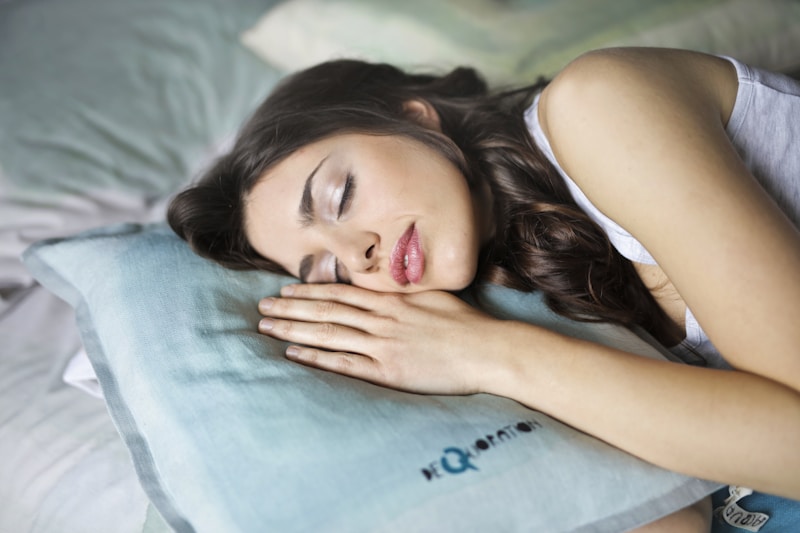
In 2024, 18.1% of U.S. adults reported trouble staying asleep — 21.4% among women, versus 14.6% of men. Those figures come from the CDC's National Center for Health Statistics, published in April 2026 from the 2024 National Health Interview Survey. Trouble staying asleep is now more common than trouble falling asleep (15.4%), which is worth pausing on, because most sleep advice targets the falling-asleep problem.
This is a 14-day protocol built for the other one: the 2 a.m. ceiling stare, the mind that switches on the moment the house goes quiet. It's the executable companion to our guide on the science of sleep and nightly routines, with each practice graded by how much published evidence actually stands behind it. Some have meta-analyses. One — the one you've probably heard most about online — has almost nothing.
This guide is educational, not medical advice. Talk to your doctor before starting any new protocol, especially if you're pregnant, nursing, taking medication, or managing a condition.
Key statistics at a glance
- Each additional hour of in-bed screen use: 59% higher odds of insomnia symptoms, 24 minutes less sleep — Frontiers in Psychiatry (2025).
- A five-minute bedtime to-do list cut sleep onset from about 25 minutes to 16 — Scullin & Krueger, Journal of Experimental Psychology: General (2018).
- Breathwork reduced self-reported stress with a small-to-medium effect (Hedges' g = −0.35) across 12 RCTs and 785 participants — Fincham et al., Scientific Reports (2023).
Why you wake at 3 a.m. — and where the electrolyte theory falls apart
Three a.m. is not random. Cortisol follows a strong circadian rhythm: it bottoms out in the late evening and early sleep, then climbs across the second half of the night before peaking after you wake. A 2025 review in Endocrine Reviews describes the cortisol awakening response as a rise of roughly 50% to 156% in free salivary cortisol in the 30 to 45 minutes after waking, layered on top of that already-rising curve.
So by 3 a.m. your body is several hours into an alerting signal. That's normal. What isn't normal is the signal waking you — which usually means sleep pressure has dropped too far, arousal is too high, or something physical (bladder, temperature, alcohol, blood sugar) is nudging you over the line at the moment your physiology is least able to absorb it.
Now the popular claim: that an evening electrolyte drink fixes the 3 a.m. wake-up by preventing a cortisol spike. Grade: weak. We could not find a controlled trial testing an evening sodium-potassium electrolyte drink against placebo for nocturnal awakenings; nearly everything written on it traces back to supplement marketing. The related "adrenal fatigue" framing is worse — a 2016 systematic review by Cadegiani and Kater in BMC Endocrine Disorders concluded flatly that adrenal fatigue is not a substantiated condition.
There is real mineral evidence, but it points at magnesium and potassium as supplements, not at a bedtime sports drink — and one signal runs the other way. In a study led by Matsuo and presented to the European Association of Urology in 2017, 321 Japanese participants were coached on salt reduction; the 223 who lowered intake from 10.7 g to 8.0 g of salt per day saw nighttime urination fall from 2.3 to 1.4 voids per night, while those whose intake rose to 11 g/day went from 2.3 to 2.7 voids. If you're waking to use the bathroom, loading sodium at night is the wrong lever.
What the protocol keeps: a small, low-sodium evening mineral drink 90 minutes to two hours before bed, framed as hydration and magnesium delivery, not a cortisol fix. If your wake-ups are bathroom trips, skip it.
The program at a glance
| Days | Daily practices | Lite (15–20 min) | Intensive (45–60 min) |
|---|---|---|---|
| 1–3: Anchor | Fixed wake time; 10 min outdoor morning light; note your natural sunset | 10 min light + 5 min log | 20–30 min outdoor light walk + sleep log |
| 4–7: Dim | Add screens-off at sunset; household lights to lamp level; evening mineral drink 2 h before bed | Screens off 60 min pre-bed | Screens off at sunset (90–120 min pre-bed) |
| 8–11: Downshift | Add 20-min wind-down: warm shower, then box breathing | 5 min breathing + 10 min shower | 10 min breathing + 10 min shower + 15 min reading |
| 12–14: Offload | Add 5-min written brain dump; optional calm-down stack | 5 min list | 10 min list + next-day plan |
Practices are cumulative — you don't drop day 1 when you reach day 4. That's the point: you build the sequence one layer at a time instead of attempting eight changes on a Sunday night and abandoning all of them by Wednesday.
Days 1–7: fix the clock before you fix the night
Morning light anchoring. Grade: strong observational, uncontested mechanism. Burns and colleagues analyzed more than 400,000 UK Biobank participants in the Journal of Affective Disorders (2021) and found each additional hour spent outdoors in daylight was associated with easier waking, less frequent tiredness, an earlier chronotype, and fewer insomnia symptoms (odds ratios 0.94–0.97). Median outdoor time in that cohort was just 2.5 hours a day. These are associations, not a trial — but light is the primary input to the circadian clock and the cost is zero. Go outside within an hour of waking: 10 minutes on a bright morning, 20 to 30 on an overcast one. Through a window barely counts; indoor light is typically an order of magnitude dimmer than outdoor shade.
Screens off at sunset. Grade: consistent observational evidence. Hjetland and colleagues, in Frontiers in Psychiatry (2025), surveyed Norwegian university students aged 18–28 and found each additional hour of screen use after getting into bed was associated with 59% higher odds of insomnia symptoms and 24 fewer minutes of sleep. The association didn't differ between social media and other activities — it wasn't the content. That makes the instruction simpler than any blue-light debate: get devices out of the bed. Sunset is the Intensive target, aggressive when sunset lands at 8:40 p.m. in July. Lite version: screens off 60 minutes before bed, phone charging in another room.
Days 8–11: the 20-minute wind-down
Warm shower before bed. Grade: meta-analysis supported. Haghayegh and colleagues reviewed 17 studies in Sleep Medicine Reviews (2019) and found passive body heating — a warm bath or shower at 104–108.5°F for about 10 minutes, one to two hours before bed — shortened sleep onset by roughly nine to ten minutes and improved sleep efficiency. The mechanism is counterintuitive: warming your skin drives peripheral blood flow and accelerates the core temperature drop that sleep onset depends on. Timing is the active ingredient; a hot shower five minutes before bed does the opposite.
Box breathing. Grade: good for arousal, thin for sleep specifically. Fincham and colleagues' 2023 meta-analysis in Scientific Reports pooled 12 RCTs and 785 participants and found breathwork reduced self-reported stress with a small-to-medium effect (g = −0.35, 95% CI −0.55 to −0.14), with similar effects for anxiety (g = −0.32, 20 RCTs) and depression (g = −0.40, 18 RCTs). Ten of the 12 stress trials used slow breathwork. The authors flagged moderate risk of bias and warned of "a potential for miscalibration between hype and evidence."
For sleep outcomes it's weaker still. A 2020 crossover trial in Scientific Reports had 20 adults do 30 minutes of five-breaths-per-minute breathing an hour before bed under polysomnography; sleep onset trended shorter (12.6 vs 16.5 minutes), but the authors concluded neither breathing nor music listening had robust effects on sleep.
Read that as: slow breathing reliably lowers subjective arousal, and lower arousal is a reasonable path to sleep, but no one has shown a clean sleep benefit in a well-powered trial. Four counts in, four hold, four out, four hold, 5 to 10 minutes. Worth doing — just don't expect it to carry the protocol.
Days 12–14: the mental offload
The most underrated practice here has the cleanest single study behind it. Grade: direct RCT support.
Scullin and Krueger, in Journal of Experimental Psychology: General (2018), brought 57 healthy adults into a sleep lab to write for five minutes before overnight polysomnography. Half wrote a to-do list for the coming days; half wrote about tasks already completed. The to-do list group fell asleep in about 16 minutes versus 25 — and the more specific the list, the faster they fell asleep. Writing about completed tasks showed the opposite trend.
The mechanism is the Zeigarnik effect, named for Bluma Zeigarnik's 1927 finding that unfinished tasks stay more accessible in memory than finished ones. Masicampo and Baumeister extended it in 2011: unfulfilled goals generate intrusive thoughts during unrelated tasks, and making a specific plan eliminates the interference — without the task actually being done.
That's the instruction. Not journaling, not gratitude, not venting. Five minutes, pen and paper, specific next actions for tomorrow. You aren't solving the problems; you're telling your brain the loop is closed.
The calm-down stack, honestly graded
The framing that matters: this stack lowers arousal, it doesn't sedate. If you need to be knocked out, that's a different problem and a conversation with a clinician.
| Ingredient | Studied range | Grade | What the trials show |
|---|---|---|---|
| Magnesium glycinate | 250 mg elemental daily | Moderate, small effect | Nature and Science of Sleep (2025): 155 adults, 4 weeks. Insomnia Severity Index fell 3.9 points vs 2.3 on placebo (p = 0.049), Cohen's d = 0.2. Larger in people with low dietary magnesium. |
| Magnesium + potassium | Trial doses, diabetic patients | Moderate, narrow population | Frontiers in Endocrinology (2024): 290 completers, 2 months. Reduced insomnia severity and serum cortisol in patients with diabetes. Doesn't automatically generalize to healthy adults. |
| L-theanine | 200–450 mg/day | Moderate | 2025 systematic review in Nutritional Neuroscience: 13 trials, n = 550. Most robust on sleep quality, latency, and morning refreshment — and not on drowsiness, suggesting it reduces anxiety rather than sedating. |
| Apigenin / chamomile | 200–560 mg extract in most trials | Supported as tea; the isolate is the weak link | Hieu et al., Phytotherapy Research (2019): 12 RCTs, improved sleep quality (SMD −0.73, 95% CI −1.23 to −0.23). Note the direction of that caveat: the trials used whole extract, not isolated apigenin, and the positive result belongs to the whole plant. One placebo-controlled insomnia trial found no difference in sleep time or latency — in people with clinical insomnia, which is a far higher bar than winding down at night. Chamomile has been drunk as an evening tea for millennia; that is the practice, and it is the whole flower rather than a milled compound. |
Two caveats worth stating plainly. The magnesium effect size (d = 0.2) is small — a nudge, not a treatment. And almost no one has tested these three together; the "stack" is an assembly of individually studied ingredients, not a validated combination. Take them 30 to 60 minutes before bed and judge them on your own two-week data.
What to expect, week by week
Days 1–4. Worse before better. Fixing a wake time when you're already sleep-deprived means short-term tiredness — and that tiredness is the mechanism, rebuilding the sleep pressure that makes night three easier. Expect the morning light walk to feel like a chore.
Days 5–9. The screens-off change is the hardest, and most people report the evening feeling "long." That's an accurate perception, not a failure. Falling asleep usually gets easier here before staying asleep does.
Days 10–14. If the protocol is going to work for you, this is where 3 a.m. wake-ups start to shorten. Not disappear — shorten. Waking briefly and rolling back over is normal physiology; the target is less time awake, not an unbroken eight hours.
What it won't fix. Sleep apnea, restless legs, thyroid disease, and untreated anxiety or depression do not respond to wind-down routines. If you snore heavily, wake gasping, or feel unrefreshed after eight full hours for weeks on end, get evaluated. And if insomnia has been present most nights for three months or more, cognitive behavioral therapy for insomnia (CBT-I) is first-line treatment — this protocol complements it, it doesn't replace it.
Frequently asked questions
Should I take electrolytes before bed to stop 3 a.m. waking?
No controlled trial supports it. The cortisol curve does rise in the second half of the night, but that's circadian and normal, and no published evidence shows an evening electrolyte drink flattens it. If you do drink one, take it two hours before bed and keep sodium low — higher salt intake was associated with more nighttime urination in the 2017 Matsuo data.
Is magnesium glycinate better than other forms?
Glycinate (bisglycinate) is what the 2025 Nature and Science of Sleep trial used, at 250 mg elemental magnesium, and it's generally better tolerated by the gut than oxide or citrate. The trial's effect was small, and its exploratory analysis suggested people with low dietary magnesium responded most. Food first: leafy greens, legumes, nuts, seeds.
How long before I judge whether this worked?
Fourteen nights minimum — sleep responds on the scale of weeks. Track two things only: your actual wake time, and roughly how long you were awake in the night. Tracking more tends to increase the arousal you're trying to reduce.
Can I do this on night shifts?
The light and timing logic still applies but has to be inverted, and shift work deserves its own plan. The wind-down, offload, and shower practices transfer directly. "Screens off at sunset" does not.
Running it without thinking about it
Fourteen-day protocols don't fail because people disagree with them. They fail because remembering seven practices at four times of day is its own cognitive load — exactly the kind of open loop the brain dump exists to close.
In the Sakred app, this program runs as a scheduled daily checklist: each practice appears on the day it's introduced, with reminders timed to your own sunset and wake time, streak tracking, and a free paired guide covering the wind-down sequence and supplement notes in more depth. Many people run it alongside the hydration habits or nature-first daily habits programs.
Sleep also sits upstream of nearly everything an insurer measures — blood pressure, weight, cardiovascular risk — so fixing it pays off twice. When you're ready, you can check your coverage options.
Consistency over intensity. Fourteen nights, one layer at a time.
Sources
- CDC / National Center for Health Statistics — Short Sleep Duration and Sleep Difficulties Among Adults: United States, 2024 (2026)
- Journal of Psychiatric Research — Ohayon, Nocturnal Awakenings and Comorbid Disorders in the American General Population (2008)
- Journal of Sleep Research — Straten et al., The Prevalence of Insomnia Disorder in the General Population: A Meta-Analysis (2025)
- American Academy of Sleep Medicine — Survey Shows 12% of Americans Have Been Diagnosed with Chronic Insomnia (2024)
- Endocrine Reviews — Cortisol Awakening Response: Regulation and Functional Significance (2025)
- Proceedings of the Royal Society B — Awakening Not Associated with an Increased Rate of Cortisol Secretion (2025)
- BMC Endocrine Disorders — Cadegiani & Kater, Adrenal Fatigue Does Not Exist: A Systematic Review (2016)
- European Association of Urology / ScienceDaily — Matsuo et al., Night-Time Urination Reduced by Cutting Salt in Diet (2017)
- Journal of Affective Disorders — Burns et al., Time Spent in Outdoor Light Is Associated with Mood, Sleep, and Circadian Rhythm-Related Outcomes in Over 400,000 UK Biobank Participants (2021)
- Frontiers in Psychiatry — Hjetland et al., How and When Screens Are Used: Comparing Different Screen Activities and Sleep in Norwegian University Students (2025)
- Sleep Medicine Reviews — Haghayegh et al., Before-Bedtime Passive Body Heating by Warm Shower or Bath to Improve Sleep (2019)
- Scientific Reports — Fincham et al., Effect of Breathwork on Stress and Mental Health: A Meta-Analysis of Randomised-Controlled Trials (2023)
- Scientific Reports — The Effects of Presleep Slow Breathing and Music Listening on Polysomnographic Sleep Measures: A Pilot Trial (2020)
- Journal of Experimental Psychology: General — Scullin & Krueger, The Effects of Bedtime Writing on Difficulty Falling Asleep (2018)
- Journal of Experimental Social Psychology — Masicampo & Baumeister, Consider It Done! Plan Making Can Eliminate the Cognitive Effects of Unfulfilled Goals (2011)
- Nature and Science of Sleep — Schuster et al., Magnesium Bisglycinate Supplementation in Healthy Adults Reporting Poor Sleep: A Randomized, Placebo-Controlled Trial (2025)
- Frontiers in Endocrinology — Effects of Magnesium and Potassium Supplementation on Insomnia and Sleep Hormones in Patients with Diabetes Mellitus (2024)
- Nutritional Neuroscience — Examining the Effect of L-Theanine on Sleep: A Systematic Review of Dietary Supplementation Trials (2025)
- Phytotherapy Research — Hieu et al., Therapeutic Efficacy and Safety of Chamomile for State Anxiety, Generalized Anxiety Disorder, Insomnia, and Sleep Quality (2019)
- Journal of Clinical Sleep Medicine (via PMC) — Zick et al., Preliminary Examination of the Efficacy and Safety of a Standardized Chamomile Extract for Chronic Primary Insomnia (2011)